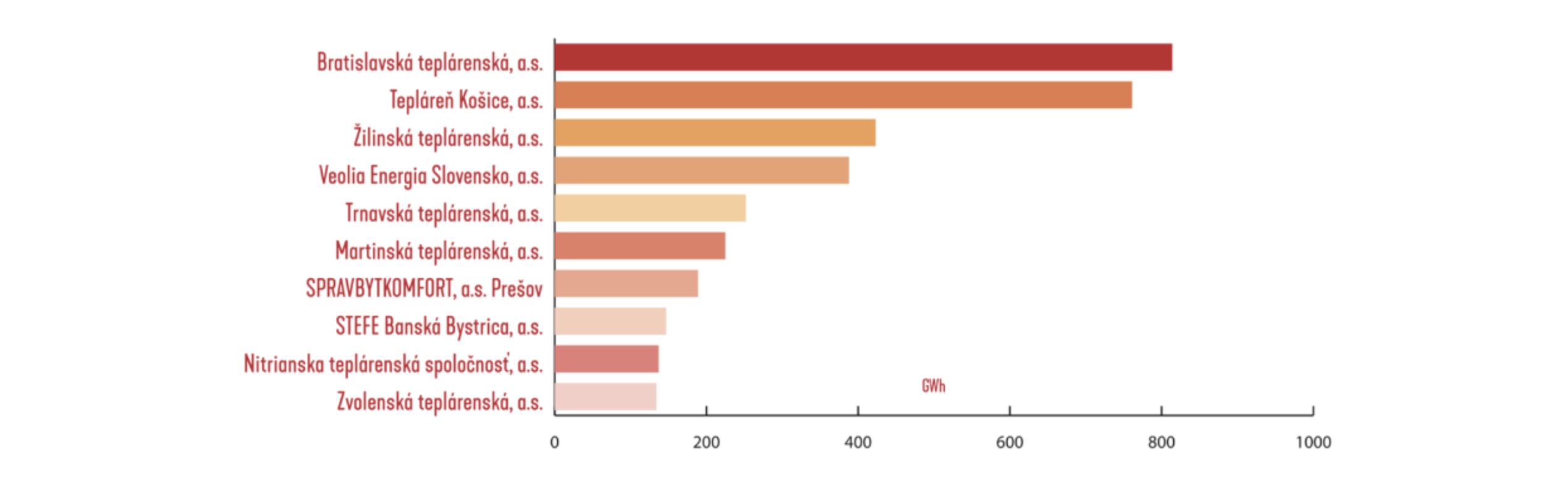


The Slovak district heating sector, like that of many other countries, is a complex system that supplies heat to households, industry, and public services. Its foundation consists of centralised heat sources, such as heating plants, and individual sources, such as domestic boilers. A wide range of fuels is used in centralised power plants, with natural gas, biomass, and coal playing key roles. However, the current trend clearly points to a shift toward renewable energy sources and more efficient technologies, reflecting efforts to reduce emissions and increase energy independence. The Žilinská Tepláreň facility is the last heating plant in Slovakia still relying on traditional coal combustion and cogeneration as its primary sources of heat. In terms of significance, this facility can be considered a potential element of critical infrastructure, although detailed information about such facilities in Slovakia is classified. The facility is evaluated primarily on its resilience, adaptability, and responsiveness to emerging hazards. At the Faculty of Security Engineering, the CIERA methodology is commonly used for assessing the resilience of critical infrastructure elements. However, in neighbouring Czechia, a new CERA methodology has recently been approved. Based on its updated procedures, a projected resilience calculation for the facility has been developed and presented in this document.
Case Study: Žilina Heatplant
Introduction
Identification of the object
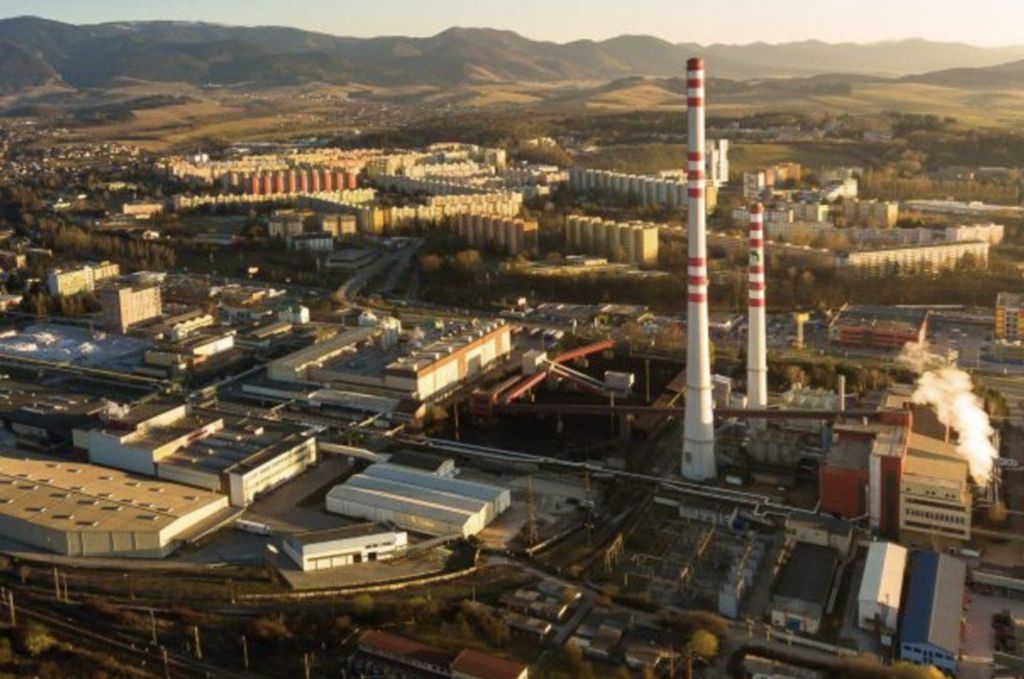
The Žilina Heating Plant, established in 1967, represents the third-largest district heating company in Slovakia. It provides heat to approximately 20,000 households and several public institutions, including schools, hospitals, and administrative buildings, in the city of Žilina. The plant is owned by MH Teplárenský holding, a. s. Žilina Heatplant is designated as a national critical infrastructure in the Energy sector under Act 367/2024 on critical infrastructure.
Technological description
The plant’s installed thermal capacity is 274.90 MW, while its installed electrical capacity is 49.77 MW. The total length of the heat distribution network amounts to 76 kilometres within the cadastral territory of Žilina. The heating plant’s production process primarily relies on lignite (brown coal) combustion, with natural gas used as a supplementary fuel. The facility currently operates four high-pressure steam boilers: K1, K2, and K5 burn lignite, and K3 burns natural gas. Electricity generation is ensured by three back-pressure steam turbines (TG1, TG2, TG3) and a rotary reduction unit (TG4) with a total output of 49.7 MW. As part of ongoing modernisation efforts, the plant has been equipped with a new 25 MW gas turbine, coupled with a heat recovery boiler that utilises waste heat to produce steam at 2 MPa pressure and 300 °C. The maximum steam production reaches 30 tons per hour, which is subsequently processed in a network heater with a capacity of 10.5 MW. Future development plans also include the construction of an additional gas turbine unit (25 MW) and the further utilisation of waste heat for steam generation at 9.42 MPa and 535 °C.
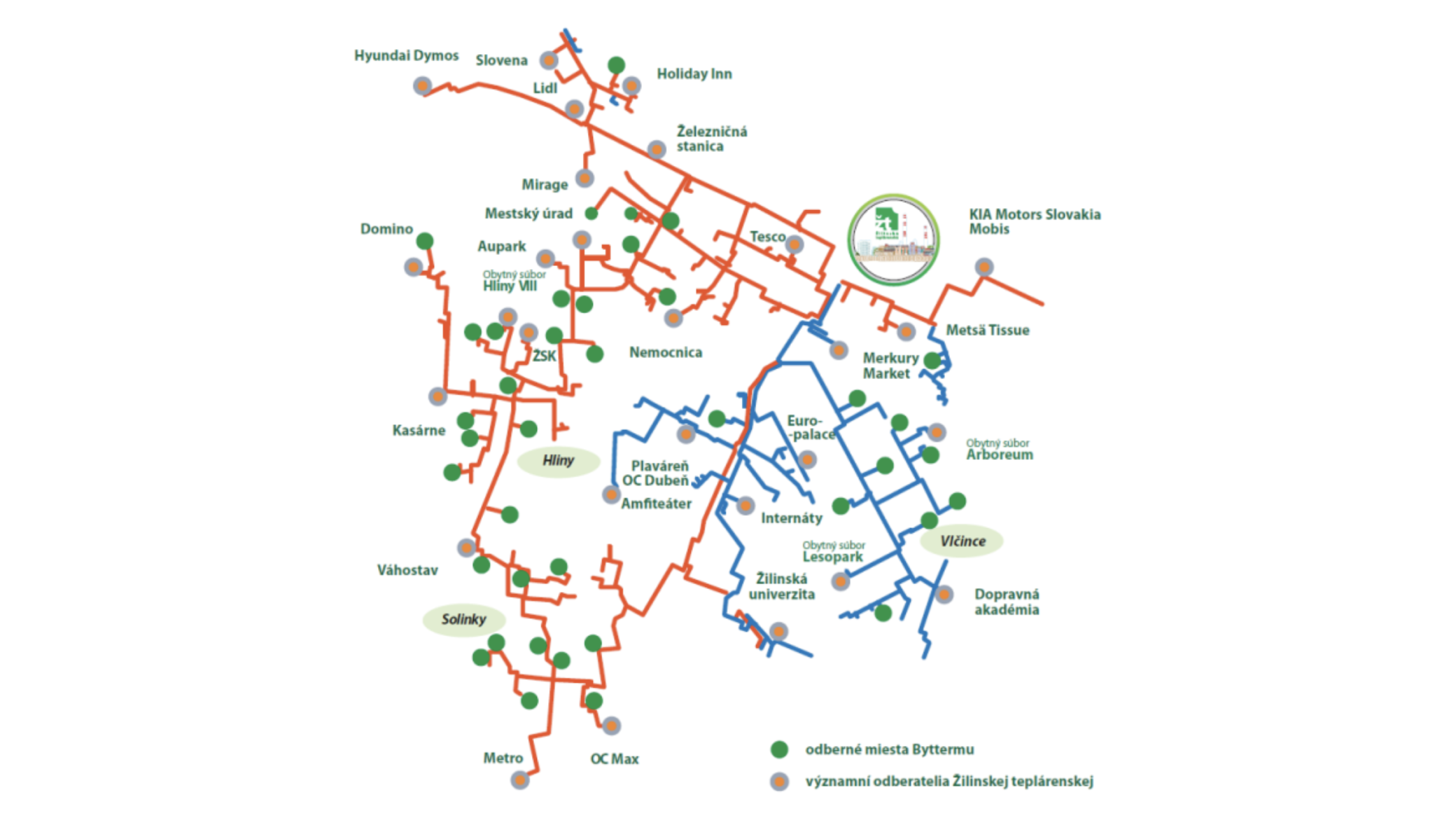
According to Act No. 367/2024 of the Slovak Republic on Critical Infrastructure, the Žilina Heating Plant falls under the energy sector and is classified as a national critical infrastructure element. At the European level, European Critical Infrastructure (ECI) refers to a component whose disruption or destruction would have a significant impact on at least two or more EU Member States. The Žilina Heating Plant, however, has only national or regional significance, as it primarily supplies heat to households and public institutions in the city of Žilina. It does not provide energy across borders and is not a strategic part of any international network, unlike electric power transmission systems or gas pipelines, which have a transnational character.